

September 12, 2024
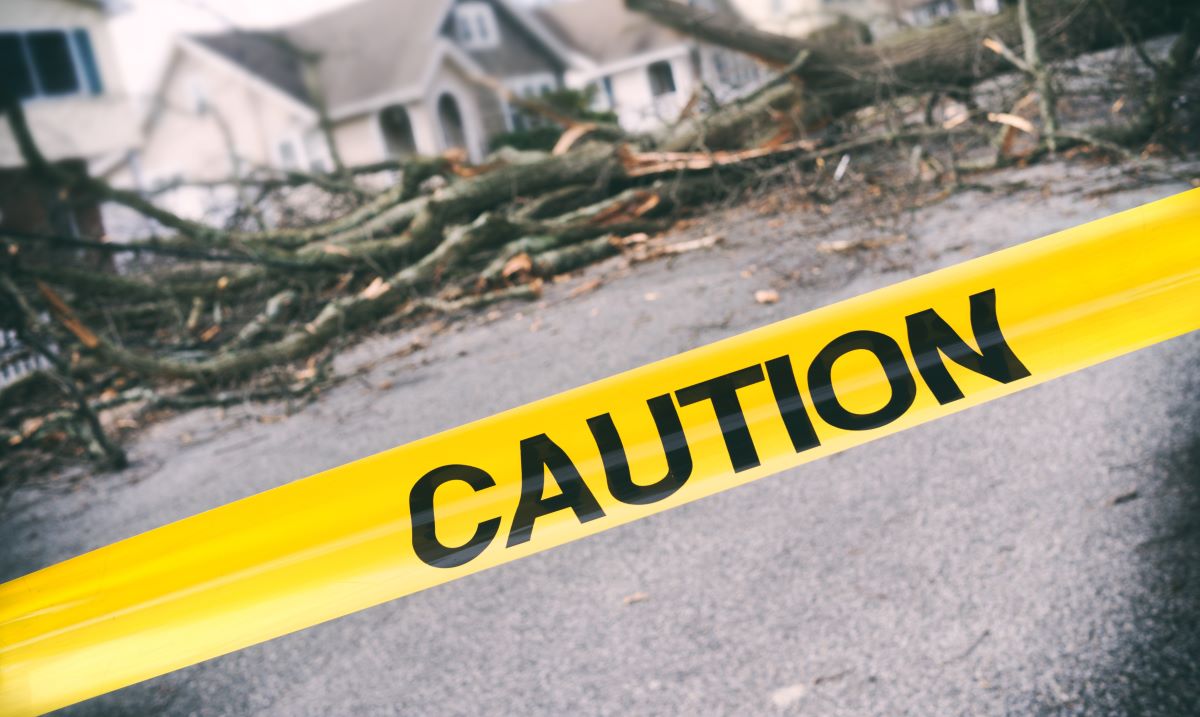
Hurricane Francine made landfall in Terrebonne Parish as a Category 2 storm bringing more than a month’s worth of rain to some areas in a matter of hours, but once wind and water threats end, new threats can creep in as residents begin the cleanup and repair phase of storm recovery.
It is important to work quickly, but as you assess the damage and begin repairs from Hurricane Francine, be aware that scammers may be lurking to take advantage of you. Here are ways to avoid post-disaster scams:
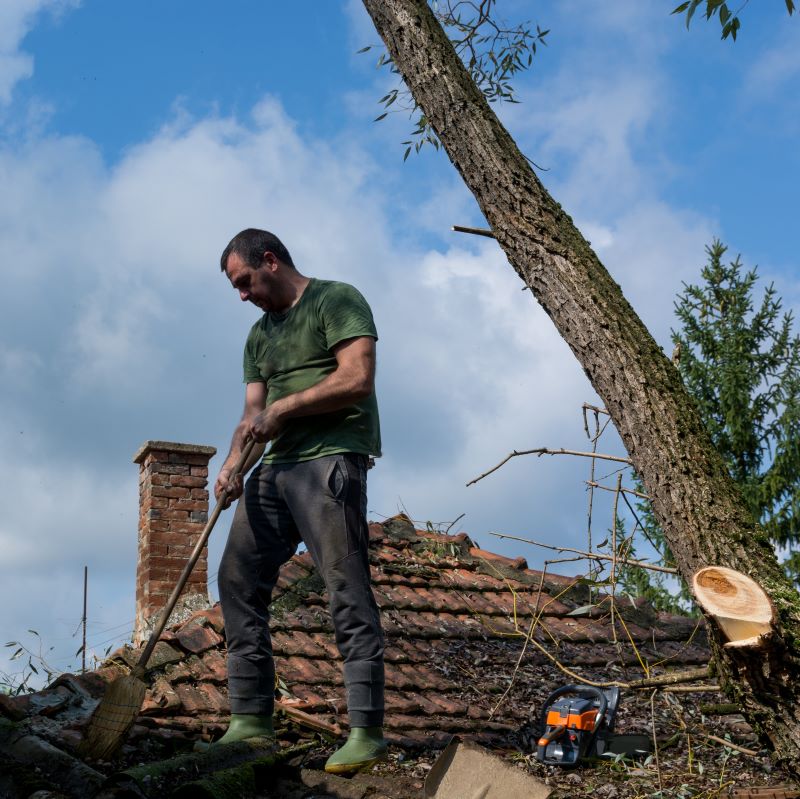
Be skeptical of anyone promising immediate clean-up and debris removal. Some may quote outrageous prices, demand payment up-front, or lack the skills needed.
- Check them out. Before you pay, ask for IDs, licenses, and proof of insurance. Don’t believe any promises that aren’t in writing.
- Never pay by wire transfer, gift card, cryptocurrency, or in cash. And never make the final payment until the work is done and you’re satisfied.
- Guard your personal information. Only scammers will say they’re a government official and then demand money or your credit card, bank account, or Social Security number.
- Know that FEMA doesn’t charge application fees. If someone wants money to help you qualify for FEMA funds, that’s probably a scam.
- Be wise to rental listing scams. Steer clear of people who tell you to wire money or ask for security deposits or rent before you’ve met or signed a lease.
- Spot disaster-related charity scams. Scammers will often try to make a quick profit from the misfortune of others. Check out the FTC’s advice on donating wisely and avoiding charity scams.
Telephone scammers may reach out by phone to storm-damaged areas. Their goal is to find anyone who will answer their call and listen. It’s the first step in convincing you to give them money, sign up for a deal that isn’t really a deal at all, or reveal sensitive information that they can use or sell. During the call, they often use promises, threats and high-pressure deadlines to keep you off balance and make you feel like you must immediately respond.
Phone calls can cloak a would-be criminal. The number is often a spoofed one accompanied by a geographic location, for example, that may make them seem legitimate. If you engage with the call, at the very least, you become a confirmed target for more aggressive scams. Worse, the system may be programmed to transfer you to a live human skilled at taking your money and gathering information.
What To Do: Don’t respond. Don’t push any buttons. Just hang up. You can report telephone scams at ReportFraud.ftc.gov. You can also report them via the FTC’s streamlined reporting option DoNotCall.gov.
Scams can be costly in many ways. Experts advise you to act quickly if you paid a scammer or were tricked into revealing sensitive information. The FTC has a number of recommendations, but three stand out:
- Even if you paid with a credit or debit card, gift cards, a money transfer app or even a wire service, contact your financial institution as well as the other companies involved to see if you can put a stop on the transaction or reverse it.
- Update your computer software to check for issues, and change your passwords.
- If you revealed sensitive information like your Social Security number, you can visit IdentityTheft.gov to learn how to combat identity theft.
Taking the time to report a scam, and knowing how and where to report a scam, is important. Agencies collect the information, and when they see patterns, they can warn people, alert law enforcement and maybe even stop the scammers.
Visit our Fraud Protection Center to learn more about protecting your resources and sensitive information and steps to take if your member accounts fall victim to cybercriminals.