

July 25, 2023
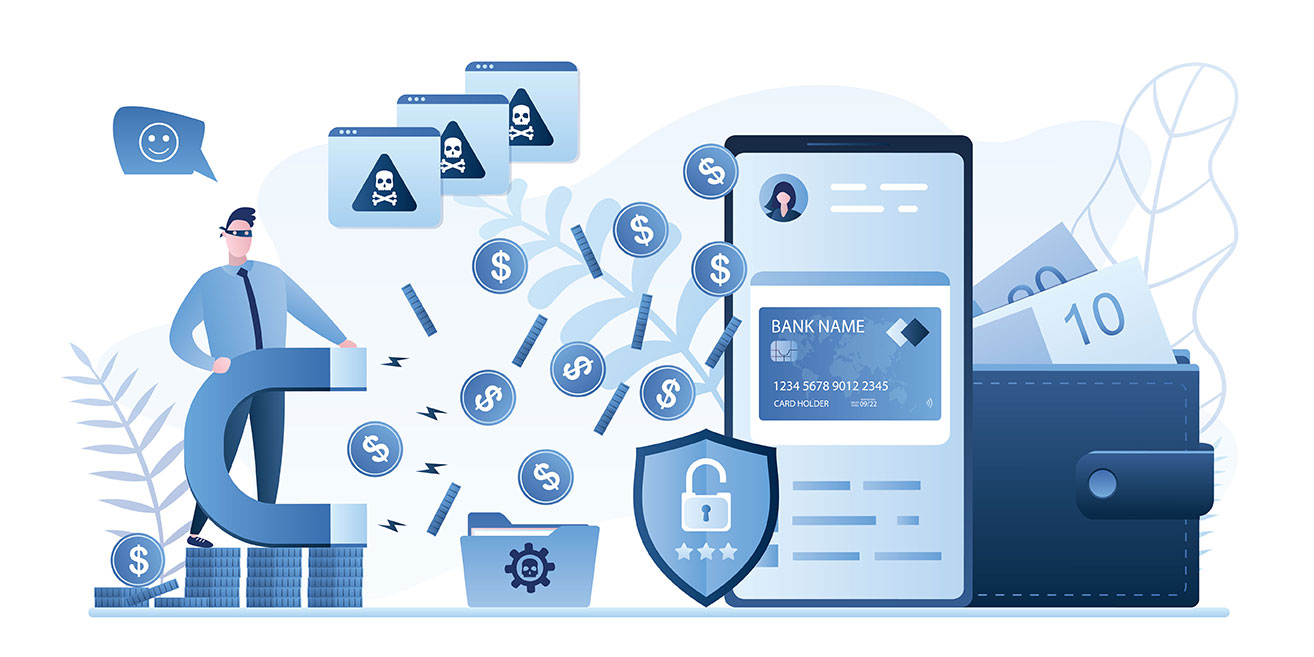
Fighting fraud and collecting taxes have become dual priorities for the Internal Revenue Service. Scammers have often used the IRS as a cover for a wide range of crimes, but government officials hope public awareness and new policies can curb the risk to consumers, members of credit unions, and financial institutions.
In a late July announcement, the Internal Revenue Service said it’s ending its decades-old policy of making unannounced home and business visits, in an effort to help keep its workers safe and to combat scammers who pose as IRS agents.
Effective immediately, revenue agents will no longer make unplanned visits to taxpayers’ homes and businesses “except in a few unique circumstances,” the Treasury Department said in a released statement. The agency will instead mail letters to people to schedule meetings.
Scams Target Taxpayers Year Round
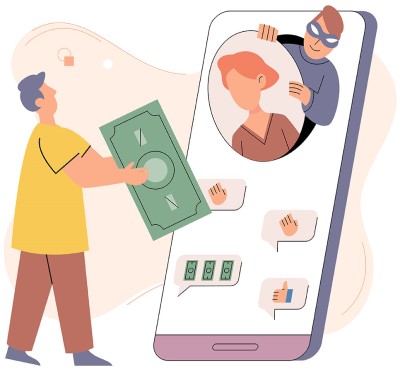
IRS scams occur when scammers pose as agents from the Internal Revenue Service (IRS) and trick or pressure victims into giving up money or sensitive personal information. These scams can originate as phishing emails, fake text messages, phone calls, or even in-person visits from fake agents.
Here’s what scammers can do if you fall for a tax scam:
- Steal sensitive personal information and use it for identity theft. Scammers posing as IRS agents are out to steal sensitive information like your name, Social Security Number, Taxpayer Identification Number (TIN), or credit card number. Anything you give them can be used to steal your identity or empty your bank account.
- Trick you into sending money, wire transfers, gift cards, or cryptocurrencies. IRS imposters often try to scare victims into making fake tax bill payments via non-secure payment methods.
- File taxes under your name and pocket your tax refund. Con artists collect information in order to file fraudulent tax returns and steal your tax refund.
- Pose as a tax professional and offer to get you large rebates or tax returns. Fraudulent tax preparers use your personal information to file falsified tax returns in your name — and then pocket the return.
Fraud and tax scams are not new, but IRS said recent attention to collection and workforce issues have put both taxpayers and agency staff at risk. “Today’s announcement is the right thing to do, at the right time,” new IRS Commissioner Daniel Werfel told media outlets on a call.
The Treasury Department’s inspector general for tax administration said it was “concerned that taxpayers and anti-government or anti-tax groups with malevolent intent may use the Internet or social media to track down and identify IRS employees, their families, their homes, and personal information to threaten, intimidate, or locate them for physical violence.”
The National Treasury Employees Union, which represents IRS workers, commended the agency for ending unannounced visits. “The officers we represent will continue to efficiently and effectively carry out their mission of helping taxpayers meet their lawful tax obligations through other means of communication,” union leader Tony Reardon said in an emailed statement.
Education is the key for raising awareness to the risks these scams pose to tax-paying Americans. Like other categories of cybercrime, tax scams are constantly evolving. It is important to stay abreast of the latest trends and ways to protect your accounts and personal information.
The 10 Latest IRS Scams of 2023 (select for more detail)
- Phishing emails claiming your tax refund has been “recalculated”
- IRS impersonators asking for gift cards
- Calls claiming to be from the FDIC
- Scammers threatening to cancel your Social Security Number
- Letters or calls from the “Bureau of Tax Enforcement”
- Fraudulent tax transcript emails
- Unexpected calls from the Taxpayer Advocate Service
- “Ghost” tax preparers
- Modified W-8BEN forms
- Fake IRS agents offering to help you
The National Association of Federally-insured Credit Unions warns that transaction fraud continues to be a top risk for financial institutions across the country. Members and credit unions should be aware of the increase in phishing, the increase in the text messages going out, and then the phone call. They want your card number, account number, and some personal information to authenticate you as they move forward.
La Cap wants to both educate and protect members. Visit our Fraud Center to learn more and signed up for text alerts and credit card features.