


November 5, 2024
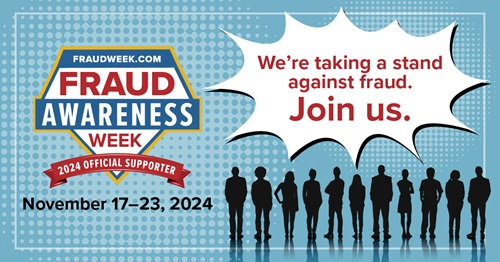
International Fraud Awareness Week, observed November 17-23, 2024, is dedicated to raising awareness about scams and security risks. The week-long campaign encourages business leaders and employees to proactively take steps to minimize the impact of fraud by promoting anti-fraud awareness and education.
At La Cap, we want to help you unlock the secrets to safeguarding your finances with our expert insights on financial fraud — the cunning form of financial deception that exploits banking services for illicit gain. From crafting fictitious accounts and assuming false identities to tampering with account records, the tactics are varied and sophisticated. This crime can also involve the unauthorized use of stolen credit or ATM cards, leading to severe consequences like hefty fines, imprisonment, and even the revocation of business licenses.
Fraud poses a significant threat to credit unions and other financial institutions and their members, potentially resulting in the loss of funds or the breach of sensitive information. To combat this, the credit union works to fortify our defenses with robust security measures, including advanced encryption, two-factor authentication, and comprehensive fraud detection systems.
It's crucial for both credit unions and members to stay vigilant. By implementing stringent internal controls and staying informed about the risks, you can protect your financial assets and maintain peace of mind.
The video below will arm and inform you as you enter the battle against fraud. Please like and return to our YouTube page for more updates from La Capitol FCU.
Watch now: La Cap Helps You Avoid Financial Fraud
La Capitol Federal Credit Union will join this international effort with anti-fraud information, messaging, and daily communications involving these topics:
- Check Fraud
- Elder Abuse
- Imposter Fraud
- Romance Scams
We look forward to using our blog and social media channels to engage, education, and eradicate fraud losses.
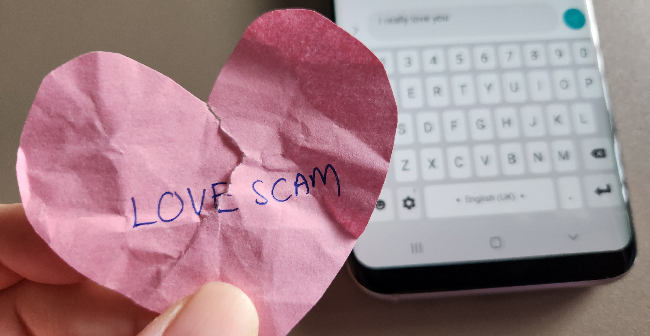
Broken Hearts Cruel and Costly in Romance Scams
Romance scams are cruel situations that can break your heart and your pocketbook. In this growing threat, fraudsters create fictitious identities to cultivate romantic interest online. They often employ cunning manipulation techniques to build a false sense of trust, all with the intent of swindling unsuspecting victims out of their money.
From our experiences:
A La Cap member became involved with a man she met online. After communicating for two years and falling in love, they began making plans to get married. The member was informed by her fiancé, stationed in the military, that he could not access his account so he added her as a joint owner so she could handle the finances. Her fiancé mailed her a book of checks drawn on another financial institution and instructed her to write the checks payable to herself and deposit them into her account. Once the funds were available, her fiancé instructed her how to disburse the funds. The deposited checks were returned altered leaving the member with a major loss.
It was later discovered that the checks were drawn on a compromised account in which the La Cap member was not listed. All the deposited funds had been sent to the scammer, who was no longer accessible or communicating with the member.
These scams often unfold on dating apps, online forums, and social media platforms. While anyone can fall prey, scammers frequently target those who are most vulnerable—typically older widows or divorcees—by making them feel uniquely cherished, swiftly forging a seemingly genuine connection.
If you are a victim of a romance scam, the most important thing to do is stop all communication with the scammer immediately; then, report the incident to the Federal Trade Commission (FTC), contact your financial institution, notify the platform where you met them, and consider contacting your local law enforcement depending on the severity of the financial loss and personal information shared.

Imposter Fraudsters Gain Trust with Deceit
In today's digital age, imposter scams are becoming increasingly sophisticated, with cunning fraudsters masquerading as trusted individuals or organizations to deceive you into divulging sensitive personal information or parting with your hard-earned money. These scammers are relentless, reaching out through various channels such as phone calls, text messages, and emails, each crafted to appear legitimate and urgent.
From our experiences:
La Capitol and some of its members became targets of an imposter scam in August. Someone spoofed the phone number to Velera’s Fraud Department, the credit union’s card processor. While posing as an employee of the fraud team, they contacted members and manipulated them into believing their debit cards had been compromised and attempts were being made to access their online home banking. The members released sensitive information to the fraudster, which allowed the fraudster access to their online banking account, whereby member-to-member transfers were conducted, ultimately depleting account balances.
Updated alerts have been placed on La Cap’s mobile app and website to inform members that La Cap will never ask for sensitive information (online banking username and password, card information) via phone or text message, nor will the fraud team instruct a member to change their password to one that they provide.
Common tactics may also include grandparent scams, where they exploit your love for family, romance scams that prey on your emotions, and robocall scams that bombard you with automated messages.
To protect yourself, exercise extreme caution when asked to share personal details or when tempted to click on unfamiliar links from unknown sources. It's crucial to independently verify the identity of anyone requesting information, even if they claim to represent a reputable company or government agency.
For your safety, always reach out to La Cap or any other company or agency directly using official contact information to ensure their authenticity. Stay vigilant and safeguard your personal information against these deceitful tactics.
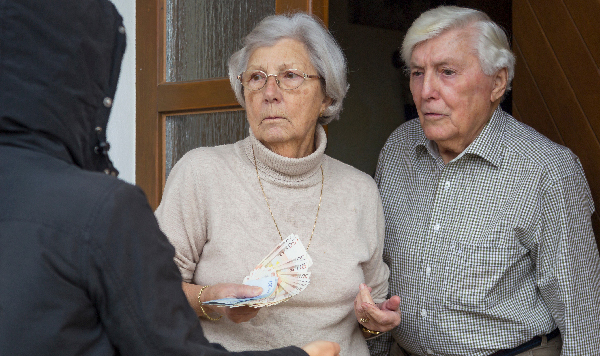
Specialized Fraud Tactics Target Seniors
International Fraud Awareness Week is a great opportunity to shine a spotlight on the pervasive issue of fraud, with a special emphasis on the alarming rise of elder abuse. At La Cap, we are dedicated to empowering our community by raising awareness about the various deceptive tactics employed by fraudsters who often prey on older adults.
From our experiences:
Rachel Honeycutt, Pineville Branch Manager, assisted an elderly member wanting to process a large wire. The funds were for the purchase of a new home and wedding expenses. The member expressed that he met a woman online and they were planning to get married. Reluctant to proceed, Rachel conducted research and asked additional questions about the situation, which ultimately confirmed the member was being scammed. The wire request was denied. Rachel did an outstanding job at detecting the red flags and saving our member from a potential loss.
At La Cap, we feel that it is essential to focus on educating seniors and their caregivers, equipping them with the knowledge and tools necessary to identify potential scams and safeguard themselves against these threats. By spreading awareness and providing valuable resources, we can help protect our elderly members from becoming victims of fraud, ensuring they enjoy their golden years with peace of mind and security.
Common scams targeting seniors
- Phone scams
- Phishing emails
- Fake charity solicitations
- Investment schemes
- Door-to-door tactics to get money or personal information
It's crucial for family members and caregivers to be vigilant and monitor financial transactions of older adults to detect potential signs of fraud. Members or family of elderly members can reach out to La Cap if they feel a senior has fallen victim to fraud.

Check Fraud: An Old Technique Still Used
It might seem a bit old-school, but check fraud is still a big concern, especially with today's sneaky tactics. The U.S. Department of the Treasury’s Financial Crimes Enforcement Network (FinCEN) has noted a jump in check fraud cases, going from 350,000 to 680,000 between 2021 and 2022.
From our experiences:
Benjamin Foster, Member Service Specialist in Metairie, opened a new membership and noticed that after making their initial cash deposit, the member immediately went to the ATM to make a large deposit. While Ben was preparing an email about the situation, the member returned to the branch to request the return of the check she had deposited at the ATM, claiming it was the wrong check. This raised several red flags. After reviewing the account and noticing that the member had also set up a Cash App account, the credit union blocked online banking and plastics and quickly examined the account. When we retrieved the deposit from the ATM, it was discovered that the check was indeed fraudulent. Thanks to Benjamin’s alertness, a potential $3,200 loss was prevented.
FinCEN also points out that this rise matches up with reports from the U.S. Postal Service (USPS), which saw mail theft shoot up by 161% since the pandemic began through 2021.
A lot of these check fraud schemes are run by organized crime groups. They use social media to recruit people to swipe checks or act as “walkers,” who take these stolen and altered checks to the bank to cash them.
The most common type of check fraud is creating counterfeit checks. Criminals use high-quality printers and special paper to create fake checks that look identical to real checks. They can then be used to withdraw money or make purchases.
Other types of check fraud:
- Check washing – Checks are stolen from mailboxes or trash cans and chemicals are used to erase the ink. The criminals then write in a new payee and amount and cash the check.
- Stolen checks – Checks are stolen from individuals or businesses and used to make unauthorized purchases or withdraw money.
- Mobile check deposit scams – Fraudsters give victims a fake check to deposit and then ask them to return a portion of the funds.
- Check kiting – Checks are written from one account to another to create the illusion of a balance in the second account. They may then withdraw cash or repeatedly kite checks between the accounts.
- Identity assumption – Criminals change account information, create fictitious transactions, or prepare checks using false identification.
Ongoing Fraud Prevention from La Capitol
At La Cap, we are steadfast in our efforts to safeguard your personal information and ensure your accounts remain secure. In today's digital age, where fraudsters and scammers are constantly devising new and sophisticated methods to compromise your security, staying informed is your best defense.
We invite you to explore our Fraud Prevention Center, comprehensive resources filled with expert tips and strategies to protect yourself. Discover actionable advice on how to fortify your defenses and learn the crucial steps to take if you ever find yourself a victim of fraud. Empower yourself with knowledge and let us be your trusted partner in maintaining your financial security.