

April 16, 2024
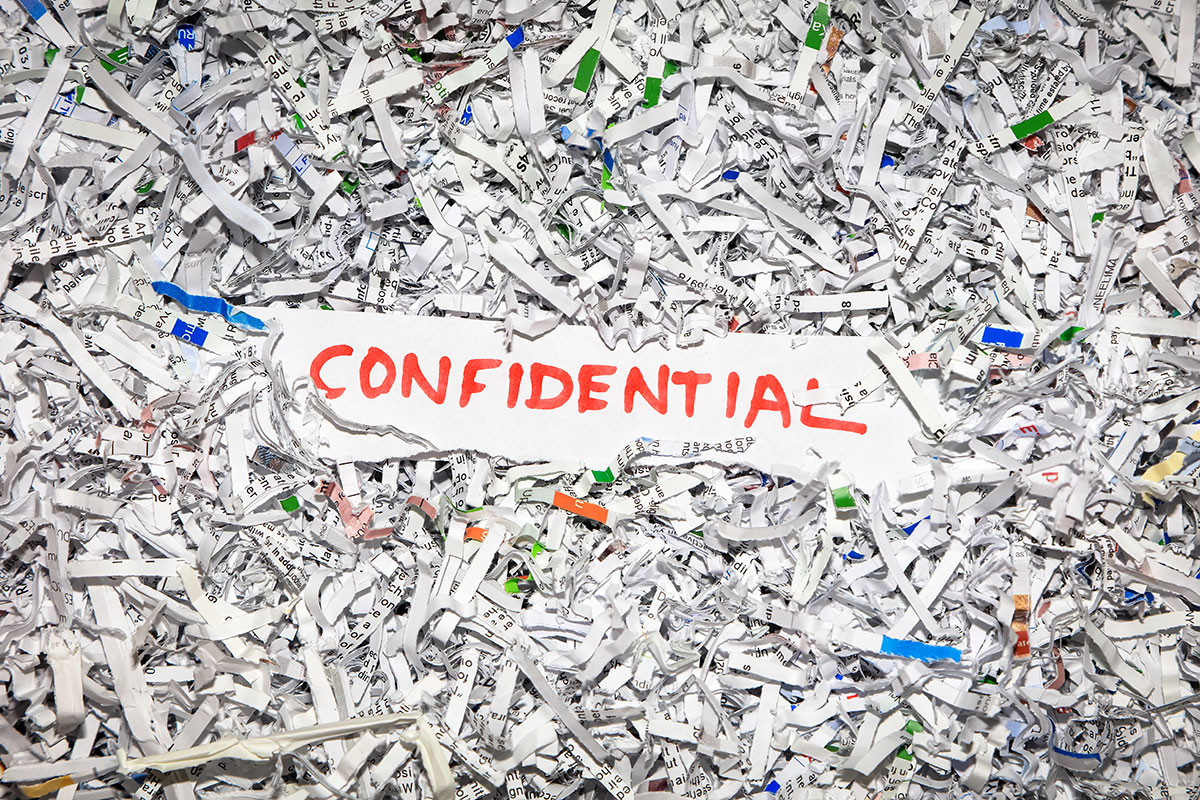
Cases of identity threat are not victimless crimes. In addition to using sensitive personal information to open new accounts, ID thieves can also gain access to your accounts and do harm to your credit rating. The practice of document shredding ensures that no discarded information can be used by criminals and scammers.
The common items to watch are social security numbers, license numbers, and date of birth, but other examples of personal information include names: first name, last name, middle name, or other names; identification: mailing address, phone number, or email address; biometric information: Fingerprints, retinal scans, or other biological measurements; and personal data: medical records, Internet browsing history, or photographs.
When a combination of these items is retrieved from the trash, files, or lost wallets/purses, an identity can be recreated and exploited.
The FBI reported that in 2021, about 23.9 million people – or 9 percent of U.S. residents age 16 or older – had been victims of identity theft during in a 12-month period. For 76 percent of those identity-theft victims, the ID theft involved the misuse of only one type of existing account, such as a credit card or bank account.
Businesses and other organizations are bound by law to take necessary steps to protect your critical information. Secure Shredding is the perfect solution for ongoing, verified destruction of sensitive paper documents. It's secure, convenient, and environmentally-friendly.
There are many good reasons for consumers to shred
- Prevent identity theft or data breach: There’s no law preventing people from going through your trash. Your everyday functions around the house can require large amounts of information that could be useful if a thief were after your identity or information. Shredding protects you from identity theft, the nation’s fastest growing crime.
- Free up space: Sensitive information should never be kept for longer than is necessary. People often shred because they no longer have room to store all of the paper that they have accumulated over many years. Shredding lets you create new space in your home or office, eliminating the hazards associated with overburdened file cabinets and boxes.
- Recycle – save the earth: Recycling paper just makes sense – and all you have to do is watch your documents get dropped into a secure container. Shredding allows you to turn unnecessary, excess paper into new products, and promote a more sustainable planet.
Shred anything that has a signature, account number, social security number, or medical or legal information.
Examples include:
- Receipts, bank statements
- Birth certificate copies
- Canceled and voided checks
- Credit and charge card bills, carbon copies, summaries and receipts
- Credit reports and histories
- Documents containing passwords or PIN numbers
- Driver’s licenses or items with a driver’s license number
- Employment records and pay stubs
- Items with a signature (leases, contracts, letters)
- Pre-approved credit card applications
- Tax forms
- Utility bills (telephone, gas, electric, water, cable TV, Internet)
Branches of the Better Business Bureau across the country conduct document shredding events to raise the awareness of ID theft and to provide free options for safe document shredding. Here’s one in the Baton Rouge area.
We're here for you
If you think an email, call or text is suspicious, call us directly and speak to one of our Member Service Specialists. We can be reached 24/7 at 800-522-2748 or 225-342-5055. You can learn more about protecting yourself from evolving scam techniques through our Fraud Prevention Center.