

March 23, 2022
On average, the United States Postal Service processes and delivers 509 million mail pieces each day. That means, on any given day, an identity thief has several opportunities to steal your identity using one of the most low-tech means around: your mail.
Identity theft occurs when someone steals your personal information, such as your Social Security number or bank account information, to commit fraud or other crimes. And your mail provides easy access to this information. Think about everything you send or receive in the mail: checks, credit card bills, credit card offers, utility bills, tax-related mailings from your employer or charitable organizations. The list goes on and on.
Unfortunately, even though mail theft is a federal offense, thieves still do it. So we’ve put together some tips for keeping your mail secure:
- Consider getting a PO Box or a mailbox that needs a key to retrieve mail (the mail carrier must still be able to deposit mail without needing a key!)
- Never leave mail in your mailbox overnight or on weekends. If you’re going to be out of town, have a friend collect the mail or have the post office hold it until you return.
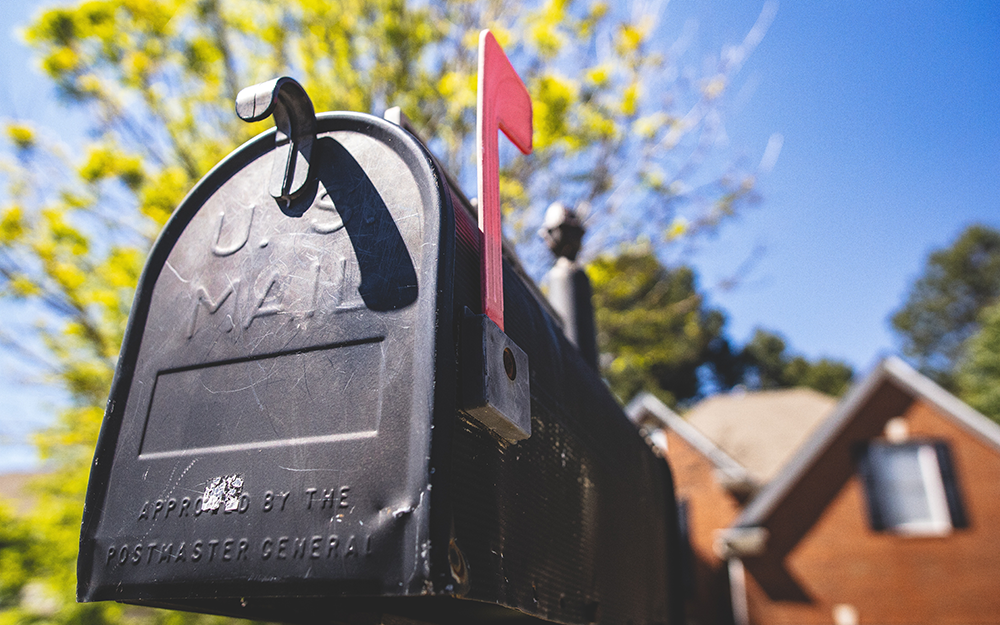
- Bring your outgoing mail, especially items that might have personal information on them, to a post office. It may be less convenient but it’s a safer option. If you must put your mail in your mailbox, most experts recommend against putting up that red flag as it doesn’t just alert the mail carrier you have something in your mailbox. It’s a signal to a thief too!
- Monitor your bank accounts. Be sure that payments processed match the amounts you authorized. Review copies of checks you’ve written too! Thieves will use United States Postal Inspection Services.
- Shred your mail before putting it in the trash. And don’t put your trash out until the morning it’s picked up. It’s a lot harder for a thief to inconspicuously steal or pick through your trash during the daylight
Fraud Services at La Cap
La Cap is committed to keeping you as safe as possible as new fraud threats emerge. Features such as our e-Statements keep your banking information out of your mailbox and safely in your inbox.