

February 9, 2022
The holidays are over, and now we turn our attention to the biggest financial day of the year. No, not Valentine’s Day or St. Patrick’s Day.
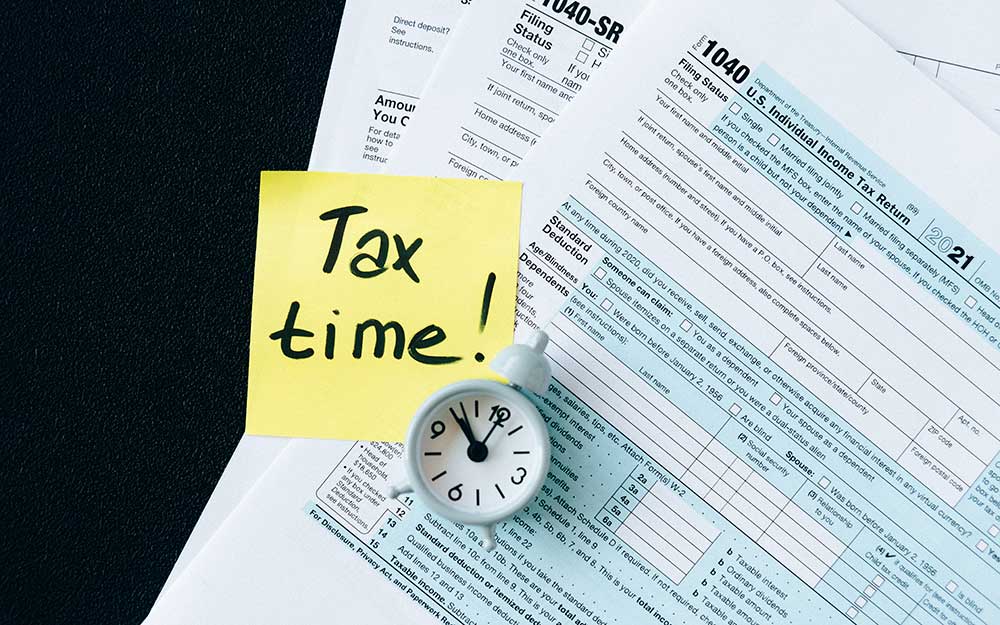
April 15. Tax Day. (Or in the case of this year, April 18)
Did you feel a shudder go up your spine, also? Many of us fear this day, either because it means writing a big check to the federal government or because of all the paperwork we need to file. But tackling our tax returns early can bring us some nice benefits.
For starters, the sooner you file, the sooner you get your refund check if you’re lucky enough to get one. Plus, filing early may lessen the risk of silly mistakes or miscalculations from rushing to get everything done on time. Here are six tips you can use to help you get ready for tax season.
1. Find Last Year’s Tax Return
There’s a lot of information that carries over from year to year. You can save yourself some time and shortcut the prep process by first digging out last year’s return.
If you’re starting from scratch, you should gather all of your personal documentation, including your social security number or tax ID. While you’re at it, get the information for everyone else who will be on your tax return, such as your spouse and dependents.
2. Know What Forms You’ll Need
If you have multiple sources of income, they’ll all need to be included on your return when you file. It may be too soon to get the official forms right now, but it’s a good idea to make a list of your sources of income so that when tax time rolls around, you have all the documents you need to collect.
Here’s a list of potential forms you’ll need during tax time:
- W2: If you’re employed in a traditional job.
- 1099 Misc: If you work as a freelancer.
- 1099-G: If you received any unemployment benefits during the year.
- 1099-Div or 1099-Int: If you have cash or investments that pay interest or dividends.
- 1099-R: If you received any money from an annuity, IRA, or pension.
- Schedule K-1: If you’re part of a partnership.
3. List Your Potential Deductions
Don’t skimp on this section. Deductions, while time-consuming to keep track of, can save you a lot of money. They reduce your taxable income, which can reduce the amount of taxes you need to pay.
While the standard deduction may work out better for you than itemizing your deductions, it’s still good to have everything gathered so that you can decide what to do come tax time.
Start by gathering documentation for anything that could possibly be a deduction, including:
- Homeownership deductions: mortgage interest statements, real estate and personal property tax records, receipts for energy-saving home improvements.
- Medical and health insurance deductions: track down the amount paid for health insurance as well as what you paid to doctors, dentists, and hospitals.
- Education deductions: keep track of tuition paid to education institutions, receipts for education expenses, and student loan interest paid.
- State and local taxes: collect documents showing everything you’ve paid in state and local taxes for the year.
- Charitable deductions: hold onto receipts for any charitable contributions you’ve made throughout the year.
4. Consider Retirement
Plan contributions One way to lower the amount of taxable income you have for the year is to make allowable retirement plan contributions. While you technically have until the filing date to contribute to an IRA, why wait? Consider looking into options available to you to contribute to a retirement plan and reduce your tax liability.
5. DIY or Go Professional?
Don’t wait until April to decide if you’re going to do your own taxes or hire a professional. You likely won’t find many tax professionals willing to work with you that late in the game.
There are plenty of programs available to help make filing on your own simple, but many people still choose to bring in a professional to help them. If you’re planning to hire help, now is a great time to find the right person.
6. Schedule an Appointment
If you know that you want to enlist the help of a professional to file your taxes this year, reach out to them early. You can get an appointment with a tax preparer before they book up and they’ll be able to provide you with a list of documents needed to file your taxes. The more organized you are, the easier (and possibly cheaper) the process can be.
Be Tax Season Ready
Want to get better at handling your finances? Discover money management tools and tips for daily life through our KOFE portal.