


January 8, 2025
Financial planning is a valuable skill because it offers the ability to get everything you want from life — financial stability, growth, and the freedom to live as you choose. However, the strategies that you need will change as your priorities shift through life’s various phases.
In young adulthood, the focus is often on building good financial habits, managing debt, and setting the groundwork for future wealth. By the time you enter your 30s and 40s, financial goals shift toward balancing growing responsibilities like homeownership, raising a family or advancing in your career while staying on track with long-term savings.
As middle age gives way to retirement, the emphasis transitions to preserving wealth, maximizing retirement income and ensuring a lasting legacy. Understanding how financial planning evolves with life’s stages is key to making informed decisions and setting yourself up for long-term success.

What Financial Planning Really Means
“Financial planning” is a term that is used over and over, but what it actually entails can become lost in the mix of financial to-dos and terminology. At its core, financial planning involves creating a comprehensive roadmap to manage your financial resources effectively so that you can achieve both short-term and long-term goals. It encompasses a wide range of activities — from budgeting, saving and investing to managing debt, planning for major life events and preparing for unforeseen circumstances.
A good financial plan considers your income, expenses, assets and liabilities while also accounting for future aspirations like buying a home, funding education or retiring comfortably. It’s a dynamic process that requires regular assessment and adjustments to adapt to life changes, economic conditions and personal priorities. Ultimately, it is about taking control of your financial future and ensuring stability and growth at every stage of life.
Young Adulthood
When you are just starting out, financial independence can seem a constant struggle. Income is often entry-level with higher-paying opportunities being highly competitive, perhaps even risky, and often requiring a move.
Meanwhile, you may have student loans to repay, or you may struggle between repairing a used car versus buying a new one. As you become more settled in your career, you may begin thinking about trading a lease and monthly rent for the permanence of a mortgage. Your financial priorities need to take into account the uncertainty of it all while preparing for something more.
- Establish an emergency fund. Start building a savings buffer to cover three to six months of living expenses. This may seem like a Herculean task at first, but an emergency fund can carry you through any number of unexpected events—a job loss, a major move, car repairs or a medical emergency, for example. Having even a small fund may allow you the luxury of funding your own life events rather than going into debt.
- Pay off high-interest debt. Getting started often comes with expenses that simply aren’t optional. If you’ve been an independent student, for example, and had to use a credit card to support educational living expenses in addition to taking out student loans, you need to focus on paying off high-interest debts — or at least make them more manageable through a loan consolidation with more favorable terms.
- Start to invest early. Time is your greatest asset for reaping returns on investing. Begin contributing to retirement accounts like 401(k)s, and take full advantage of any employer matching funds. Individual retirement accounts like IRAs also offer tax advantages while allowing you to invest money for retirement.
While saving can often seem a challenge at this age and retirement can seem a lifetime away, even small contributions to savings can be key for developing a saving mindset and establishing the habit of saving. Saving something — even a small amount — is better than saving nothing, and even modest funds can grow.
Established Adulthood
Several years into adulthood, you may start to feel a bit more established. From our late 20s and throughout our 40s, most of us are trying to work our way up in our chosen profession. You are probably past entry level and are taking on responsibilities both at work and at home.
You may be planning for your first home and starting a family while also trying to advance your own career. Life is expanding, and your task is essentially to at least keep up. Recognize that these are often your prime earning years, as well.
These are typically the most important goals for established adults:
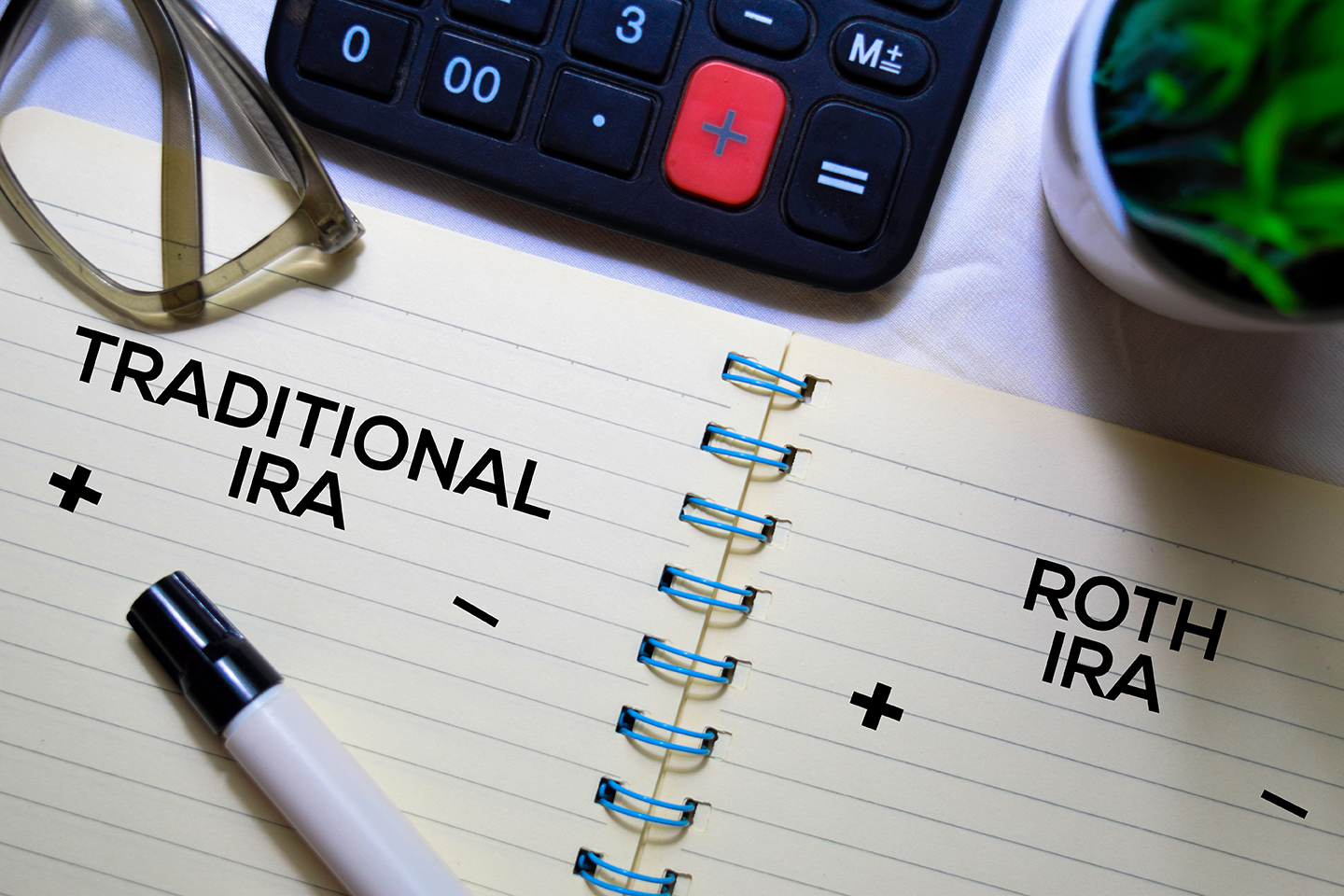
- Maximize your retirement contributions. As your income grows, increase contributions to retirement accounts. Be sure to meet or exceed any employer matching funds. Since IRAs are tied to income level and tax filing status, be sure that you are saving the maximum allowable amount in the most appropriate type of account for your situation—traditional versus Roth IRA, for example. You may want to consider additional investment accounts to diversify your savings, and be sure to organize funds into the highest yield accounts to maximize returns for retirement. You should consult your tax professional to see what specific tax advantages apply to your situation.
- Invest in education or skill development. You may find yourself researching not only how to budget for college for children but also how to budget for your own professional development. Most states offer 529 plans to help parents save for their children's education. Louisiana’s 529 is called START Saving and offers tax deductions as well as matching funds and tax-free qualified distributions.
- Balance saving and spending. As work life and home life expand and mature, balancing saving and spending can require discipline. Plan strategically for large expenses like purchasing a home, funding college tuition or upgrading your lifestyle because you will still need to maintain a sustainable savings rate to achieve your long-term goals.
Middle Age to Retirement
As you reach your 50s, you are often approaching your final decade or so of top earning, and financial planning for retirement can take on a new sense of urgency. At the same time, you may have children that are launching into young adulthood or aging parents who may need your assistance.
It can be a very expensive time involving repeated travel, moving from one location to another, selling and buying real estate, and once again planning for a change in lifestyle. It’s also a time when health challenges can take increasing priority. Meanwhile, you need to ensure that your savings are maximized and your earnings are secure.
- Prioritize retirement income planning. As retirement approaches, investment strategies should shift from riskier high-yield investments to more stable income-generating assets. You’ll want to ensure that IRAs are maximized as once you turn 50, you will be eligible to make catch-up contributions in addition to your regular IRA contributions. Most 401(k)s and traditional IRAs do not allow distributions without penalties before age 59½.
- Be aware of tax implications for your retirement. If your distributions and other retirement income might push you into a higher tax bracket, you may want to consider converting traditional IRAs into Roth IRAs, for example. You should consult your tax professional to see what specific tax advantages apply to your situation.
- Maintain savings and an emergency fund. The need for accessible funds for unexpected expenses like home repairs or medical bills never goes away. Savings accounts offer liquidity, allowing withdrawals without penalties or having to sell assets at an inopportune time.
Consider rising generations. Grandparents can help grandchildren financially in a number of ways: savings bonds, certificates of deposit and share certificates, and educational savings accounts, for example.
By this age, the window for saving is narrowing, and much of the focus turns to preserving assets and ensuring they continue to earn to keep pace with increases in living costs yet remain safe from financial market fluctuations and upsets.
Financial Planning for Every Stage of Life
Living a fulfilling life takes financial planning that is tailored to each of your ages and stages. If you’d like to learn more about creating a plan that honors your priorities, reach out to La Capitol Federal Credit Union.
Explore our investment products online, and contact our advisors for financial planning support. Let us help you plan your financial future — no matter which stage of life you find yourself.