

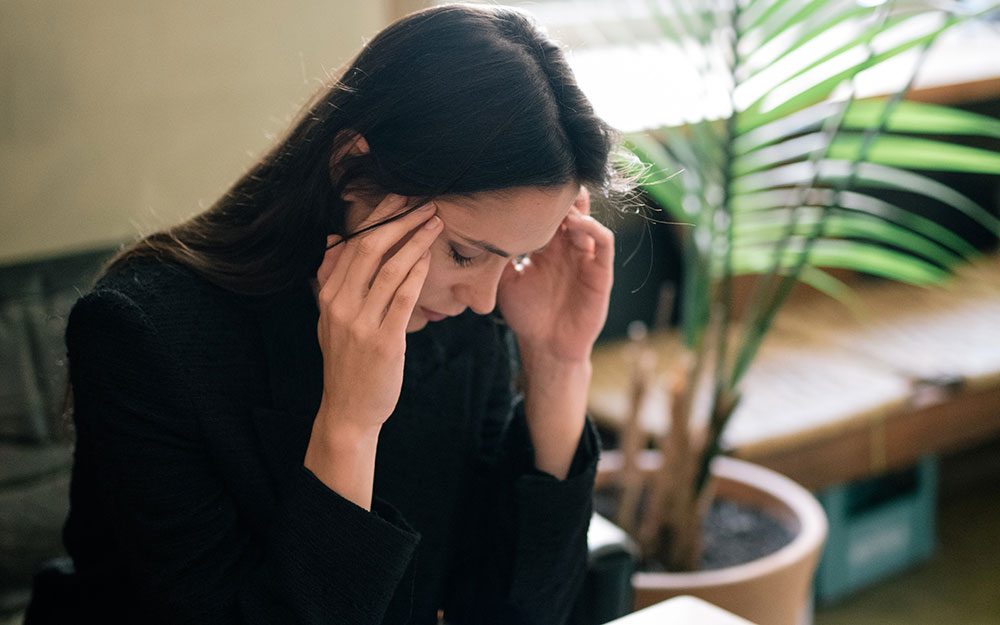
What to Do after Paying Possible Scammer
Scammers can be very convincing. They call, email, and send text messages trying to get our money or personal information. They often target specific communities and frequently use scare tactics. And, unfortunately, they're good at what they do.
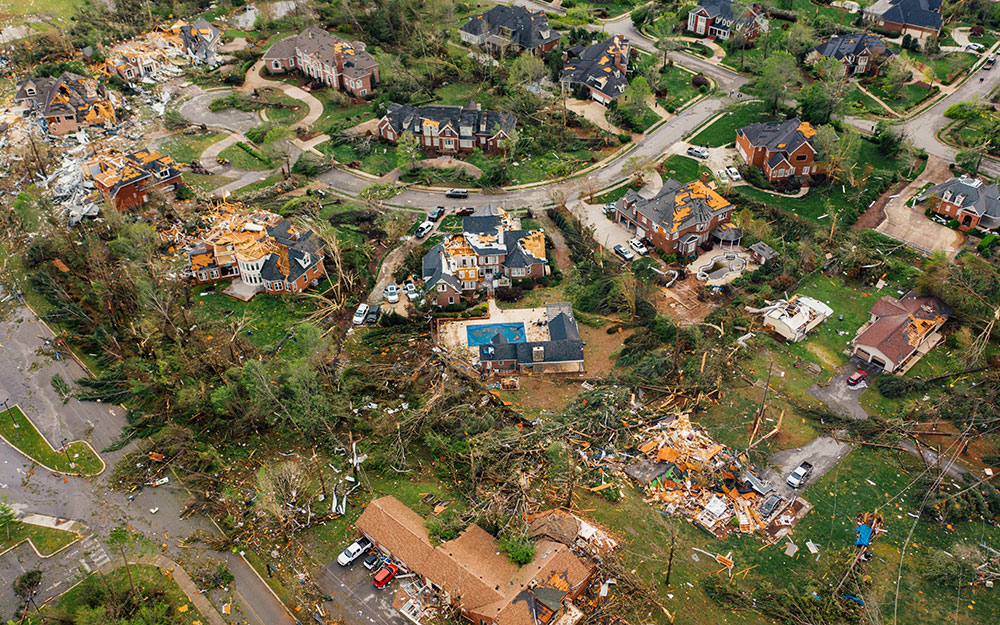
How to Spot and Avoid Post-Disaster Scammers
As you assess the damage and begin repairs from Hurricane Ida, be aware that scammers are lurking to take advantage of you.Spot disaster-related charity scams. Scammers will often try to make a quick profit from the misfortune of others.
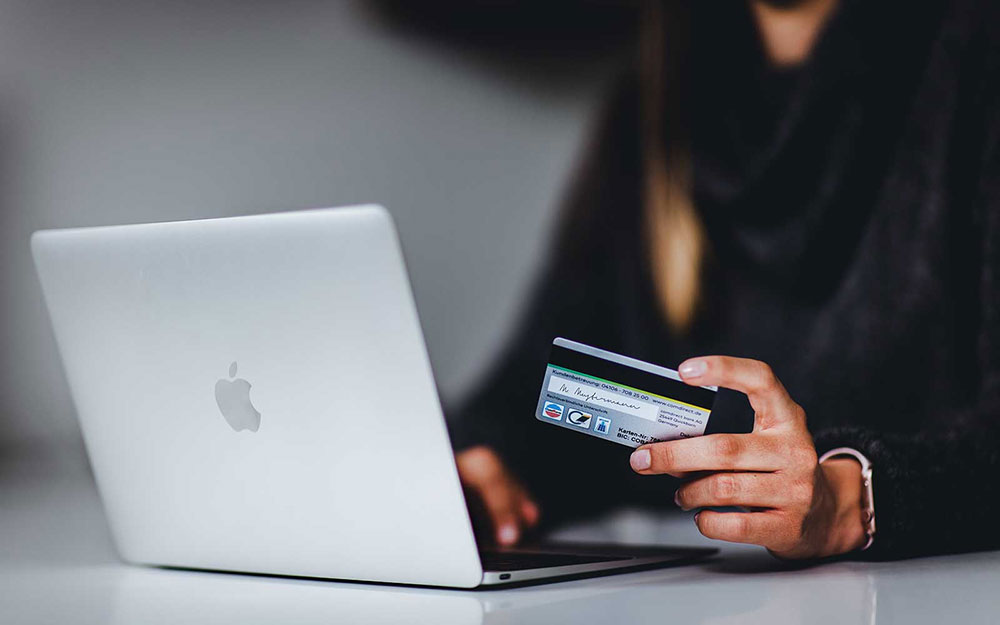
Before You ‘Place Order,’ Consider These Online Safety Tips
To adapt to the world of social distancing, more and more of our favorite stores began offering ways to score great deals online. Before you click “Place Order,” watch this FTC video to learn some useful tips on how to keep your data secure and save money as you shop.
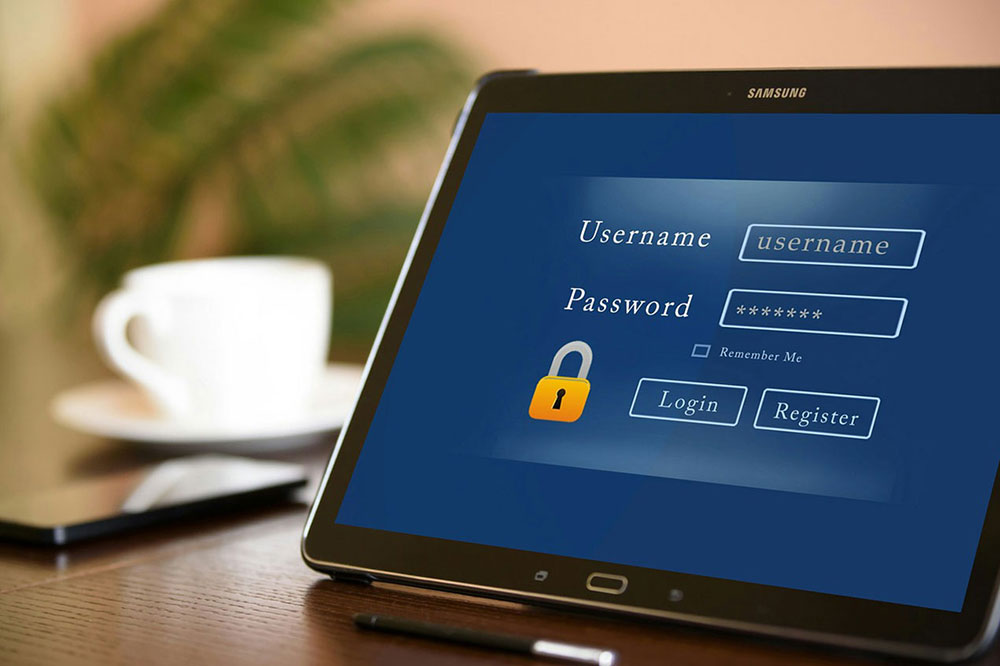
Advice offered on choosing strong passwords
Passwords, personal identification numbers (PINs), and passphrases. They've become part of our everyday lives. You probably know that Password123 is not secure (though 20,000 people used that in 2020). Here are some more tips for creating a strong password to keep your accounts safe.
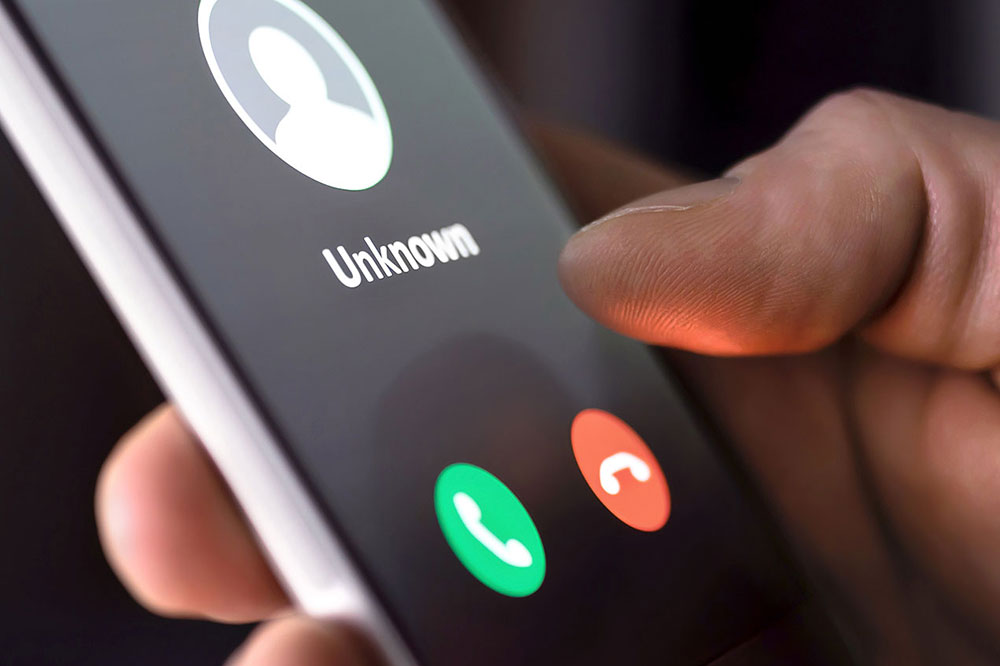
Take Steps to Combat Spoofing Phone Scams
Scammers use neighbor spoofing so it appears that an incoming call is coming from a local number, or spoof a number that you may already know and trust. If you answer, they use scam scripts to try to steal your money or valuable personal information, which can be used in fraudulent activity.